
Blog

As community managers, our goal is always to provide exceptional service, support our Boards, and help our communities succeed. However, one of the most important responsibilities we have is understanding and maintaining the boundaries of our management agreements.

Have you taken the time to review your management agreements recently? If you are a portfolio manager, you may have several agreements to read. Are they all the same? For on-site managers, these agreements are often tailored to the unique characteristics of each community. It is likely that this contract gets overlooked during annual planning more often than you realize.

Strong communities do not happen by chance. They are built through thoughtful planning, responsible financial stewardship, and a commitment to preserving the safety, value, and longevity of the association. One of the most important responsibilities of a board of directors is to ensure the community has a long-term funding strategy to address the inevitable repair and replacement of common elements.

Homeowners Associations (HOAs) rely heavily on outside vendors to maintain property values, ensure safety, and keep communities running smoothly. From roofing companies and electricians to power washing crews, pavers, and especially landscape partners, vendor relationships often determine whether an HOA feels well-managed or constantly reactive.
Building strong, professional relationships with vendors isn’t just about hiring the lowest bidder—it’s about creating a structure for accountability, communication, and long-term reliability.
Building strong, professional relationships with vendors isn’t just about hiring the lowest bidder—it’s about creating a structure for accountability, communication, and long-term reliability.
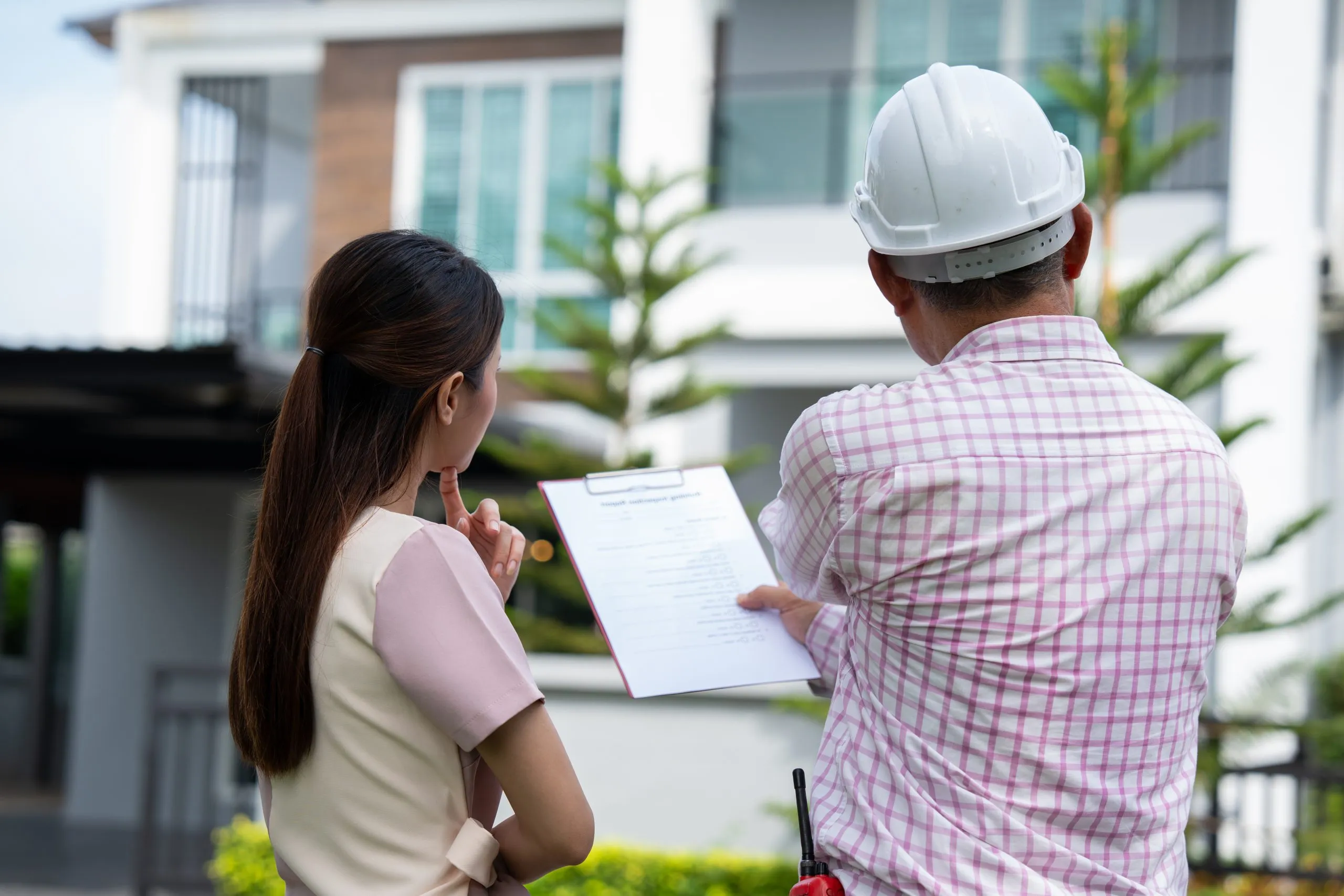
From managing communities to supporting them, my journey to Tidewater Roofing has been shaped by years on the front lines of HOA and condominium management. I spent most of my career overseeing a diverse portfolio of communities, each with their own personalities, priorities, and challenges. Day to day, I balanced board meetings, vendor coordination, budgets, resident concerns, and long-term planning. Some days ran smoothly; others were far more complex — especially when a roofing issue arose.

Strong vendor relationships are not built solely through contracts and proposals. They require consistent, professional communication during both smooth operations and difficult moments. One of the more damaging habits within association management is only contacting vendors when something has gone wrong. Over time, that pattern conditions every interaction to feel adversarial.

Writing about relationships and communication between managers and vendors feels especially timely because it remains one of the most important, yet often overlooked, aspects of successful community management. Throughout our industry, several themes consistently emerge: relationship investment matters, partnerships outperform transactions, assumptions create problems, and education should be shared openly.
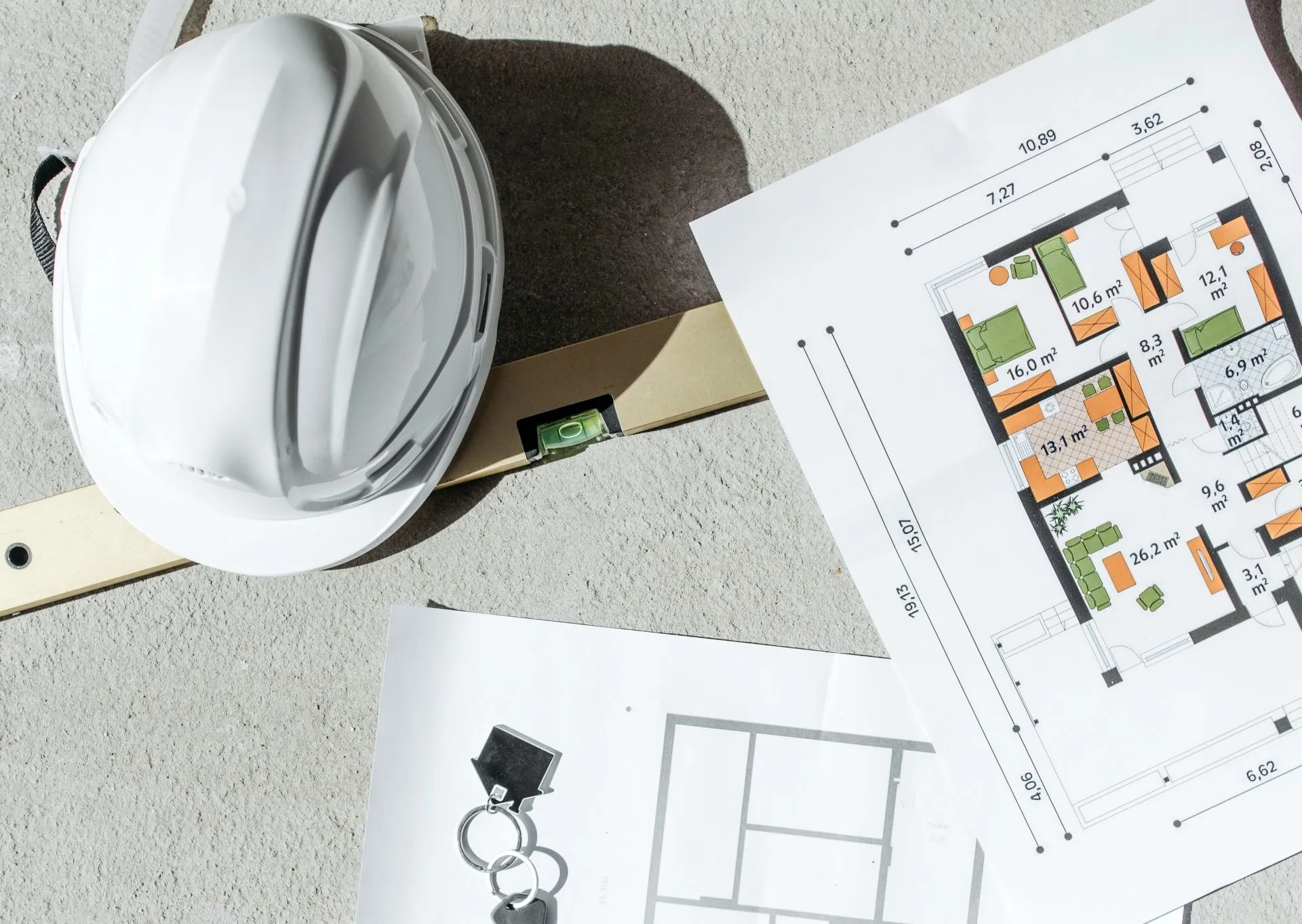
A developer’s relationship with a community management company is one of the most influential factors in determining whether a neighborhood will simply function, or truly thrive. While much attention is often placed on site plans, home design, and sales pace, the long-term success of a community depends heavily on the strength of the partnership established behind the scenes. When developers and management companies work in alignment from the beginning, they lay the groundwork for a stable, well-maintained, and financially secure community.

The ability to understand the difference and work with a developer is essential. A strong, collaborative relationship between an association management company and a developer is one of the most important factors in the long-term success of a new residential community. While the developer focuses on vision, construction, and marketability, the management company plays a critical role in ensuring that the community is financially stable, operationally efficient, and positioned for sustainability from day one.

If you’ve ever looked around your neighborhood and thought, “Everything here just works,”—you’re not wrong.
But it’s not automatic. Behind every well-run community is a group of volunteers making it happen.
But it’s not automatic. Behind every well-run community is a group of volunteers making it happen.
This National Volunteer Month, we celebrate the dedicated board members and committee volunteers who help our communities thrive. Your time, leadership, and commitment, both seen and behind the scenes, make a lasting impact. Thank you for all that you do to keep your communities strong, organized, and welcoming.
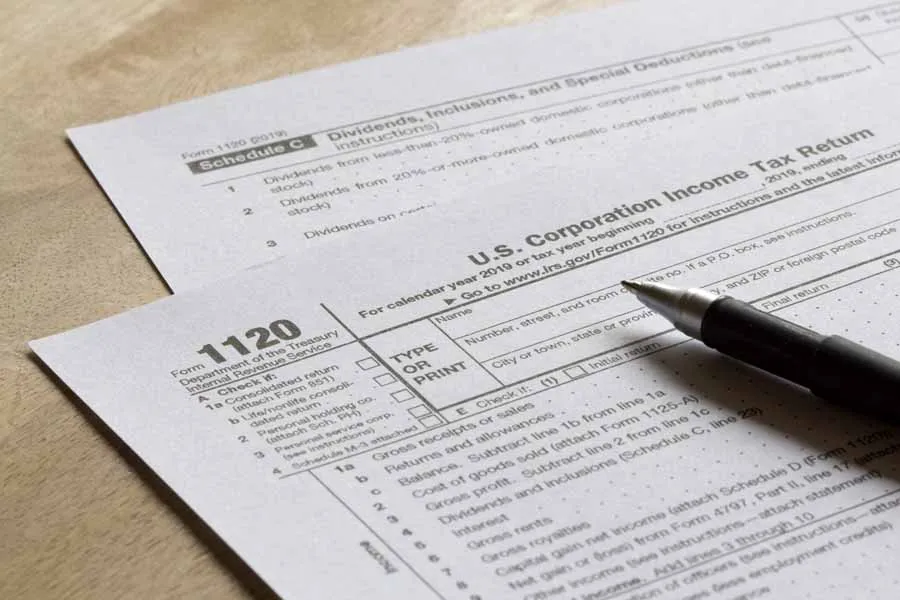
In Part 3 of our series, we examine Form 1120 in more detail. Some associations either choose — or benefit from — filing Form 1120 instead of Form 1120-H.