
Part 3: When Associations File Form 1120
Part 3: When Associations File Form 1120
In Part 3 of our series, we examine Form 1120 in more detail. Some associations either choose — or benefit from — filing Form 1120 instead of Form 1120-H.
What Is Form 1120?
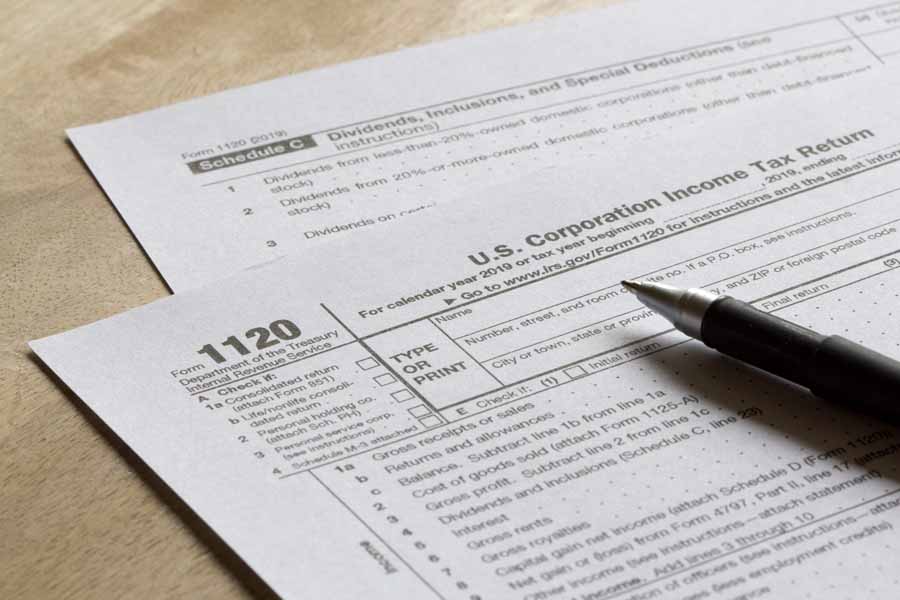
Form 1120 is the standard corporate income tax return used by corporations. Associations filing this form are generally taxed as membership organizations under Internal Revenue Code Section 277.
What Income Is Taxed Under 1120?
Under Form 1120, income is divided into two categories:
- Non-membership income – taxable
- Membership income – taxable unless properly excluded
Non-Membership Income (Taxable)
This includes all income from nonmembers. Common examples include:
- Interest earned on bank and investment accounts
- Clubhouse rentals or pool passes paid by nonmembers
- Cell tower lease income
- Laundry or vending contracts
- Newsletter advertising
Membership Income (Taxable Unless Excluded)
This includes income from members, such as:
- Member assessments
- Late, legal, and administrative fees
- Clubhouse rentals and pool passes
How Can Membership Income Be Excluded from Taxation?
There are two primary methods to exclude membership income from taxation.
1. Replacement Reserve Contributions
Assessments designated for replacement reserves can be excluded if certain criteria are met:
- Members receive advance notice that a portion of their assessment is designated for capital replacement reserves (typically through the annual budget).
- Reserves are accumulated for specific future capital expenditures (generally identified in the reserve study).
- Replacement reserve funds are physically segregated from operating funds (maintained in a separate bank account).
2. IRS Revenue Ruling 70-604
Any remaining net membership income may be excluded by either carrying it forward to the following year or refunding it to members through IRS Revenue Ruling 70-604. This is an annual election made by the membership to either roll forward or refund excess membership income rather than have it taxed.
The end result? Associations that properly apply these exclusions are generally taxed only on non-membership income.
What Is the Tax Rate?
Form 1120 carries a flat corporate tax rate of 21% (compared to 30% under Form 1120-H).
Pros & Cons
Although Form 1120 has a lower tax rate, it is more complex and may carry a higher audit risk. Preparation fees are typically higher due to the additional analysis and documentation required.
For associations with significant non-membership income, however, the tax savings may outweigh the increased complexity and cost.
Closing Thought for Boards
Association taxation is not overly complicated — but it is specialized. Boards should review their filing method annually, understand their sources of taxable income, and consult with professionals experienced in association taxation.