
Do You Know Your Neighbors
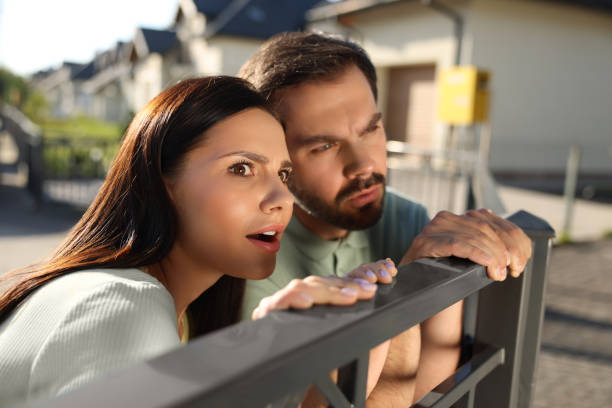
As an Association Manager, I’ve encountered my fair share of unusual situations—but what recently happened in one of our communities was both new and deeply unsettling.
In early June, a Board Member contacted me with concerns about a unit where a man was seen drilling out the front door lock. He claimed he was there to winterize the unit, and even placed a “This Home Has Been Winterized” notice in the window, listing a company name and several phone numbers. At first glance, it appeared to be a routine foreclosure or tenant removal. However, the Board Member knew that the unit was owned by a military member who was likely deployed, and asked me to look into it.
When the Board Member entered the unit with this so-called “foreclosure” representative, they found the owner’s personal belongings still inside. Her car was parked in the garage, and the refrigerator had been cleaned out—all signs that she had prepared the home for a long absence. It appeared she had disconnected the utilities and secured the unit properly before leaving. I quickly located the owner’s email in our records and reached out to her. She confirmed she was deployed and provided an alternate email for communication while she was at sea. I advised her to immediately contact her mortgage company.
Then, in early July, the same Board Member reached out again—this time with concern that someone might be living in the unit. I contacted the owner again, who confirmed she had not been able to reach her mortgage provider and was still deployed. I asked if she had a local contact, and fortunately, she had family in the area—one of whom held power of attorney.
I contacted the non-emergency police line to report everything we knew. The officer agreed the situation was suspicious but advised there wasn’t much they could do without more evidence. Later that day, the owner's family came to my office. Their key no longer worked at the unit. While they were with me, I again called the police, this time on speakerphone. The officer took down their contact information and said an officer would follow up directly.
The following day, the police contacted me multiple times to gather more information, working to determine whether this was a criminal case, a legitimate foreclosure, or something else entirely. I explained that property taxes were current, indicating the mortgage was likely still being paid from escrow, and that it would be highly unusual for a foreclosure to move this quickly—especially involving an active-duty military member.
Eventually, the family hired a locksmith to regain entry to the unit. What they discovered was devastating: someone had indeed been living there, and some of the owner’s possessions, including her car, had been stolen. Thankfully, our community requires decals for street parking, so we were able to locate the vehicle’s license plate number and provide it to the family so they could file a police report.
Had that Board Member not acted on their instincts—first in June when something seemed off, and again in July when lights were seen on in a unit with no active utilities—this service member could have returned from a nine-month deployment to find her home occupied, her belongings gone, and her sense of safety violated.
While this situation is still difficult and unresolved, at least the owner is now aware and can take steps to begin reclaiming her space and her peace of mind.
This experience is a sobering reminder of the importance of looking out for one another. If you see something, say something. Take the time to get to know your neighbors. And please, ensure your emergency contact information is current with management.